When people think about beauty school, they often imagine a glamorous and exciting environment filled with creativity and artistry. However, the reality is quite different. While beauty school can indeed be a fulfilling experience, it comes with many educational demands that are often underestimated.
Students are required to undergo rigorous training and education that goes beyond simply learning how to cut hair or apply makeup. Courses often include anatomy, sanitation practices, and even chemistry, as they are crucial for developing a comprehensive understanding of cosmetology.
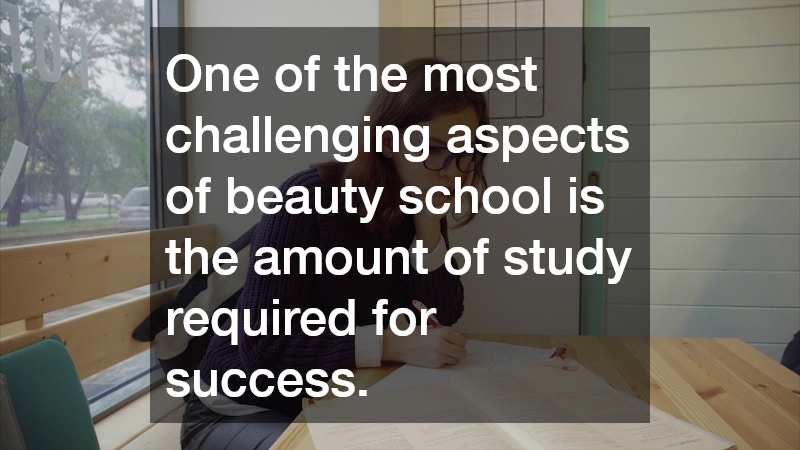
One of the most challenging aspects of beauty school is the amount of study required for success. Students are not only assessed on practical skills but also on theoretical knowledge. This dual approach ensures they are prepared for a professional environment, but it can be overwhelming for many. Exam preparation can be particularly demanding, as it involves not just practicing techniques but also understanding the underlying scientific principles. Prospective students need to be aware that beauty school is academically challenging, with a curriculum that is both broad and detailed.
Despite these challenges, it is important to understand that the detailed education and training provided by beauty schools are essential for long-term success in the beauty industry. The industry standards are high, and clients expect not just artistic flair but also knowledgeable service providers. Achieving licensure often involves clocking in a significant number of hours through both classroom instruction and hands-on practice. While intuitiveness and creativity are vital skills, mastering the art of cosmetology requires dedication and rigorous study before students can become qualified professionals.
The Financial Implications
A lesser-known fact about beauty school is the significant financial commitment it entails. Many people assume that because it isn’t a traditional four-year college, the costs would be considerably lower. However, tuition fees, which can range from several thousand to tens of thousands of dollars, can be quite a burden. In addition to tuition, students must often buy their own equipment, textbooks, and supplies, which can add hundreds or potentially thousands more to the overall cost of education.
Students may also find themselves needing to cover additional living expenses if they move away from home to attend a specific school. As financial assistance options for beauty school can be limited, many end up relying on student loans, which can add up over time. This financial strain can be overwhelming, especially when the starting salaries in the industry can be modest. Thus, one must thoroughly research the financial implications and consider applying for scholarships or looking for schools with payment plans before enrolling.
Despite these financial challenges, the investment in a beauty school education can be a worthwhile endeavor if approached with careful planning. Many beauty schools offer payment plans and financial advice to help ease the burden. It’s essential for prospective students to explore various funding options, such as scholarships specifically aimed at cosmetology students. There are also opportunities for part-time work or apprenticeships within the industry, which might offer valuable experience while helping to offset costs. Planning financially ahead can help ease the transition from student to a working professional in the beauty industry.
The Emotional and Physical Demands
While beauty school can be an exciting journey, it is also emotionally and physically demanding for many students. Students often encounter high-pressure situations, as they must simultaneously manage complex client interactions alongside the mastery of technical skills. The stress of adapting to a fast-paced learning environment can feel enormous, especially during exams and practical assessments. This level of pressure is not always anticipated but is a crucial reality in the cosmetology education sector.
The physical demands of beauty school are not to be underestimated either. Long hours standing, repetitive motions, and the demand for precision in tasks such as haircuts or nails can be taxing on the body. Over time, students may experience fatigue or even injury if they’re not careful about ergonomics and self-care. Prospective students need to be prepared for these physical demands and consider developing strategies to manage stress, such as regular exercise or mindfulness practices.
Despite the emotional and physical demands, the beauty industry remains a field of passion for many. Success in beauty school provides a strong foundation for a rewarding career that offers creativity, flexibility, and personal fulfillment. Embracing the challenges as part of the growth process can ultimately be a transformative experience. By entering beauty school with realistic expectations and preparing mentally and physically, students can thrive and make the most of their educational journey.