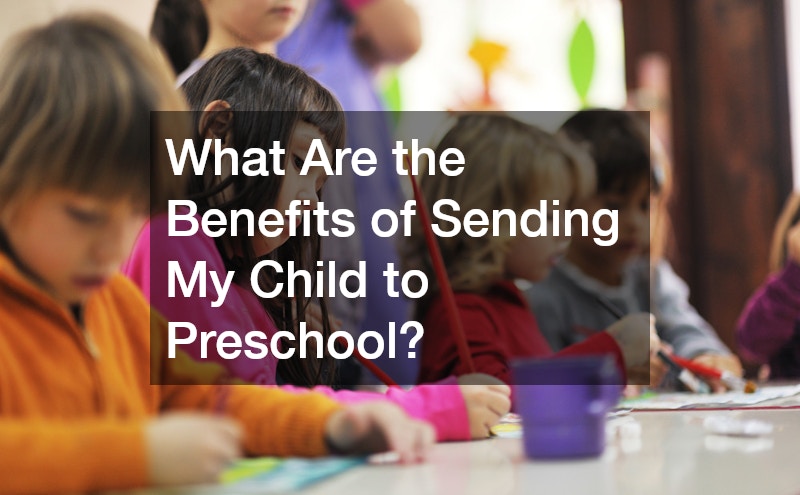
The value of early childhood education cannot be overstated as it lays the foundational stones for a child’s lifelong learning journey. Preschool programs are structured to nurture young minds during their most formative years, offering a myriad of benefits that extend beyond mere academic learning. Parents often ponder the advantages of enrolling their children in preschool settings, yet research suggests substantial positive impacts on cognitive, social, and emotional development.
This transformative phase in early education furnishes children with the essentials to not only succeed academically but also excel as holistic individuals. By examining various aspects of preschool education, parents can make informed decisions on the importance of early schooling for their child’s future development.
What are the academic advantages of preschool?
1. Early literacy and numeracy skills
Preschool provides children with a head start in literacy and numeracy, crucial skills for academic success. Through playful activities such as storytelling, rhyming games, and counting exercises, young learners begin to grasp the essentials of reading, writing, and arithmetic. Such early engagement fosters a passion for learning and has been linked to higher academic achievement later in primary school. Teachers in preschool settings are trained to introduce these concepts in an engaging and accessible manner, making learning a joyous exploration rather than a burdensome task. Additionally, a preschool environment bolsters vocabulary acquisition and phonological awareness, key components in reading fluency.
2. Development of cognitive skills
Cognitive development is another significant reason why parents opt for preschool education. In this environment, children are encouraged to solve problems, make decisions, and think critically, skills that are indispensable in today’s fast-paced world. Activities such as puzzles, interactive games, and group projects develop children’s attention spans and memory retention. The structured yet flexible curriculum allows children to explore ideas freely, nurturing their innate curiosity and promoting a growth mindset. Consequently, preschool learners are better equipped to handle the intellectual challenges of formal schooling.
3. Exposure to structured learning environments
Preschools prepare children for the more formalized structure of elementary school by introducing them to organized learning environments. This exposure helps children understand routines, follow instructions, and respect classroom rules, which are essential skills for any learning process. Furthermore, structured settings teach children time management and responsibility, as they navigate through various activities and rest periods throughout the day. Educators balance instruction with play, ensuring that children remain engaged and enjoy their learning experiences while developing important organizational skills. These formative experiences ease the transition to kindergarten, reducing the anxiety and stress associated with starting primary school.
4. Encouragement of curiosity and creativity
Preschools are often designed with the intent to cultivate curiosity and creativity in young children. Through myriad activities, children explore different themes, stories, and concepts that capture their imagination and broaden their understanding of the world. Hands-on projects and interactive play give children ample opportunities to experiment, question, and invent, turning learning into an exciting adventure. This encouragement not only enhances creative thinking but also helps children become independent learners who seek knowledge beyond the classroom. The aspect of creativity extends to problem-solving skills, allowing children to employ innovative approaches in overcoming challenges they may face during their educational journey.
5. Preparation for formal schooling
One of the primary goals of preschool education is to prepare children for the transition to formal schooling, which includes kindergarten and beyond. Children who attend preschool are often better adjusted to the classroom environment, easing anxiety and promoting a positive initial school experience. By being familiar with classroom norms, such as sitting at a desk and working in groups, young learners build confidence that translates into enthusiastic participation and engagement. Teachers in preschools aim to instill a love for learning, creating a solid foundation that propels children to succeed academically and socially. As such, the benefits reaped during preschool extend throughout a child’s educational trajectory, positioning them to meet academic milestones with assurance and proficiency.
How does preschool support emotional and social development?
1. Building social skills
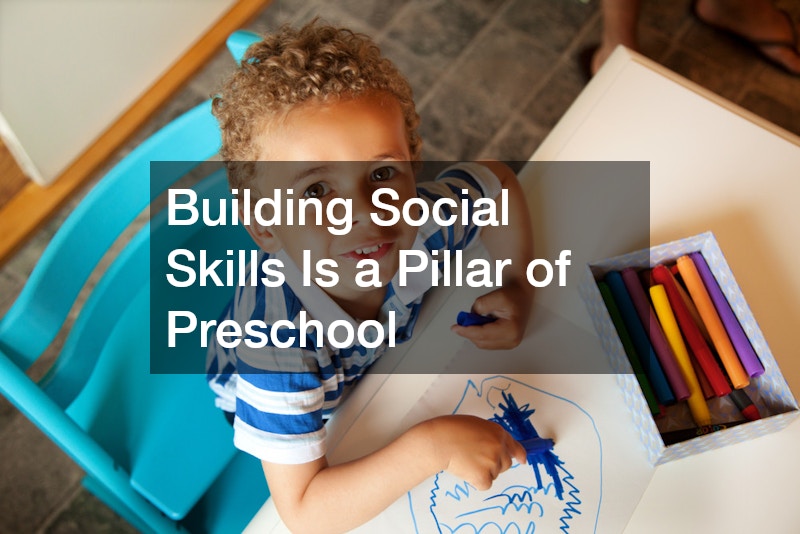
Preschool offers an environment ripe for cultivating crucial social skills among young children. Through cooperative play and group activities, children learn to communicate, negotiate, and empathize with their peers. Such interactions are vital in developing a sense of community and understanding in a shared space, promoting positive social behavior. Experienced educators facilitate these exchanges, guiding children in resolving conflicts and nurturing friendly and supportive interactions. Equipped with these skills, preschoolers are more adept at forming meaningful relationships that are essential throughout their lives.
2. Learning to cooperate and share
Cooperation and sharing are hallmark lessons of preschool education, shaping how children interact with their counterparts. Engaging in team-oriented activities like building projects or creative teamwork challenges children to work collaboratively toward common goals. The preschool environment highlights the importance of taking turns and respecting others’ space and opinions, laying a foundation for future societal interactions. As children develop these skills, they learn patience and compromise, crucial for peaceful coexistence and collaboration in any social setting. The seeds of cooperation sown in preschool become instrumental as those children grow and assimilate into broader communities.
3. Developing emotional resilience
Emotional resilience is a critical attribute cultivated within preschool settings, empowering children to navigate life’s ups and downs with fortitude. Educators understand the importance of fostering a supportive environment that encourages children to express their feelings and confront challenges head-on. By experiencing minor setbacks in a nurturing setting, children learn to manage failure, disappointment, and frustration constructively. The emotional coaching provided by teachers helps children develop healthy coping mechanisms and a robust emotional vocabulary, further bolstering self-esteem and self-awareness. Ultimately, this emotional resilience serves as a protective factor, enhancing children’s overall well-being and adaptability in various circumstances.
4. Establishing friendships and relationships
Preschool is a thriving ground for establishing friendships, often serving as a child’s first substantive experience of relationship-building outside family confines. Within this community, children meet diverse peers, offering exposure to different perspectives and backgrounds. Forming friendships at this stage helps children learn loyalty, trust, and empathy, as they discover the value of companionship. Regular interaction fosters a sense of belonging, reducing feelings of isolation and boosting social confidence. These early relationships lay the groundwork for future social networks and connections in both personal and professional spheres.
5. Cultivating a sense of independence
A well-rounded preschool program encourages autonomy by gradually allowing children to take on responsibilities and make independent decisions. Whether choosing a play activity or managing small personal tasks, children learn to trust in their abilities and embrace newfound freedom. This burgeoning independence is nurtured through daily routines that empower children to take initiative, make choices, and understand consequences. As children relish in their achievements and earn the confidence of caregivers, they establish a sense of competence and ownership over their actions. The skills gained through autonomous experiences in preschool prepare children for the independent decision-making required in academic and personal life.
Are preschool activities beneficial for motor skills development?
1. Fine motor skills through crafts and play
Preschool activities often emphasize fine motor skill development, critical for a host of daily tasks such as writing, buttoning clothes, and using cutlery. Crafts like cutting, gluing, threading beads, and drawing are designed to engage small muscle movements in the hands and fingers. Children refine hand-eye coordination and dexterity as they craft their art pieces, unaware of the underlying motor skill enhancement these activities provide. Educators endeavor to merge fun with functionality, ensuring children enjoy the process of learning while developing necessary skills. These fine motor skills gradually build the control and precision children need for more complex tasks in life beyond preschool.
2. Gross motor skills with physical activities
Gross motor skill development takes precedence in preschool through activities that include running, jumping, climbing, and dancing. These activities are crucial for strengthening core muscles, improving balance, and refining coordination in young children. Outdoor play, obstacle courses, and group games are not only fun but also essential for children to exercise and hone these larger muscle groups. The physical exertion and coordination learned during preschool lay the foundation for sports and recreational activities children may partake in as they age. These motor skills contribute to general physical fitness and are pivotal for promoting a healthy, active lifestyle in children.
3. Coordination and balance exercises
Preschools incorporate a variety of exercises crafted to enhance coordination and balance, integral components of physical development. Balancing beams, hopping games, and yoga for children challenge youngsters to adjust their body orientation, improve spatial awareness, and embrace bodily control. Balanced movement is a precursor to walking, running, and more intricate activities that require smooth motor interaction, reducing the occurrence of accidents and injuries. Teachers weave these activities seamlessly into the day, coupling fun with focused skill enhancement. A well-coordinated and balanced child is better prepared to take on new challenges as they progress in their physical endeavors.
4. Encouragement of active play
Active play is encouraged in preschool settings as it plays an integral role in promoting physical health and combatting sedentary behaviors. By engaging in dynamic play sessions, children increase their exposure to physical activity while simultaneously building endurance and cardiovascular health. The playful atmosphere encourages risk-taking, curiosity, and experimentation, motivating children to engage in movement without fear of failure or judgment. As children grow older, this appreciation for active lifestyles reduces the likelihood of lifestyle-related health issues, fostering habits of lifelong vitality. This dedication to active play manifests in healthier children, both physically and mentally, setting them on a path to sustained health.
5. Integration of play-based learning
Play-based learning is integral to the preschool experience and is designed to educate while engaging children in entertaining activities. This approach emphasizes creativity, spontaneity, and enjoyment in learning, particularly appealing to young learners who thrive in vibrant, playful settings. Motor-skills-focused play involves integrating educational concepts with kinetic stimuli, engaging children’s bodies and minds simultaneously. As children participate in songs, dances, and story-driven games, they deploy linguistic and cognitive skills while staying physically active. The comprehensive nature of play-based learning results in a balanced approach that encompasses physical, cognitive, and emotional development.
What role does preschool play in fostering creativity and imagination?
1. Creative arts and crafts projects
Creative arts and crafts form the backbone of preschool activities, encouraging children to explore their imaginative worlds through self-expression. As children engage in painting, sculpting, and constructing collages, they tap into innate creativity and learn to convey ideas artistically. These projects support fine motor development, while also fostering children’s ability to plan and execute abstract concepts. Teachers curate an array of materials and themes, encouraging children to explore diverse textures, colors, and shapes as they create. This artistic exploration provides an emotional outlet for children, facilitating expressions that transcend verbal abilities.
2. Imaginative play opportunities
Imaginative play is a cornerstone of the preschool experience, empowering children to immerse themselves in fantastical roles and scenarios. Through role-playing, children experiment with different characters and narratives, expanding their understanding of social structures and cultural dynamics. This form of play nurtures empathy as children consider perspectives distinct from their own and engage in problem-solving to navigate pretend play scenarios. Educators view imaginative play as an opportunity for experiential learning, enabling children to use their creativity to impactfully understand complex themes. The freedom to explore vivid worlds in imaginative play fosters creativity in problem-solving that has practical applications in academic and social spheres.
3. Storytelling and dramatic play
Storytelling and dramatic play are powerful tools utilized in preschool to engage children’s imagination while building linguistic and cognitive skills. Participating in puppet shows, skits, and interactive storytelling activities spurs children’s interest in literature and instills a foundation for language development. Children relish the creativity inherent in storytelling, as they fashion plots, characters, and settings that captivate their audience’s attention. Dramatic play scenarios promote cooperation as children collaborate to construct storylines, understand roles, and interact within the narratives crafted. These activities exemplify humanities’ ancient traditions of oral narrative, ensuring children carry forward the art of storytelling into future generations.
4. Exposure to music and dance
Music and dance introduce young children to cultural diversity, emotional expression, and rhythmic exploration in engaging and joyful ways. Through the rhythmic elements of music and the expressive freedom found in dance, children appreciate cultural heritage while developing coordination and musicality. Exposure to a wide variety of musical genres and dance styles broadens children’s perspective, allowing them to appreciate the beauty inherent in diverse art forms. The harmony and melody in songs stimulate auditory processing skills, while dance offers pathways to express emotion physically. These expressive outlets nurture children’s creativity by uniting cognitive abilities with artistic innovation.
5. Freedom to explore diverse ideas
Preschool encourages children’s independence in thought and creative discovery, advocating for an open exploration of diverse ideas and themes. Educators provide a plethora of stimulating stimuli, such as stories about different cultures, scientific wonders, and imaginative themes, all meant to pique curiosity. Children dissect complex ideas creatively, drawing connections, hypothesizing outcomes, and expanding their comprehension beyond singular viewpoints. Engaging with diverse concept pairings encourages higher-order thinking and creative agility, vital skills in an evolving and interconnected world. This expansive freedom in the preschool environment instills confidence, encouraging children to innovate and contemplate beyond conventional paradigms.
How does preschool prepare children for a multicultural environment?
1. Exposure to diverse cultures and backgrounds
Preschools create a microcosm of society by providing young children exposure to peers from various cultural backgrounds, fostering inclusivity and acceptance. Classrooms are often diverse environments where cultural exchange naturally occurs as children interact and share their experiences and traditions. Exposure to diverse cultures expands children’s worldview, prompting interest and appreciation for lifestyles and customs different from their own. This diversity is celebrated through festive activities, cultural events, and the introduction of multicultural concepts in everyday learning. Such immersion aids in developing a nuanced understanding of the multicultural world children will navigate throughout their lives.
2. Learning respect and tolerance
Respect and tolerance are fundamental values instilled through preschool education as children learn to honor differences and embrace individual uniqueness. Through intentional exposure to diverse concepts, educators impart lessons that emphasize kindness, civility, and acceptance of all people. Interactive discussions and projects on diversity underscore the importance of inclusivity, as children learn to value differences without fear or bias. The preschool environment, filled with people of varied backgrounds, becomes a training ground for children to practice these values in everyday interactions. This understanding of empathy and respect equips children with the social tools necessary for harmonious coexistence and collaboration in multicultural settings.
3. Multicultural activities and lessons
Multicultural lessons and activities in preschool enrich children’s experience by infusing global ideas, artifacts, and curricula into their education. Celebrations of international holidays, language learning, and cultural storytelling serve as mechanisms for children to engage with global narratives inclusively. Hands-on projects such as cooking traditional foods or creating cultural art broaden cultural comprehension and highlight ethnic diversity. These activities provide children with firsthand experience participating in customs and traditions, instilling a deeper appreciation and understanding for cultural diversity. Enriching preschool experiences with multiculturalism shapes open-minded individuals comfortable navigating diverse social landscapes.
4. Encouraging open-mindedness
Preschools emphasize the value of open-mindedness by encouraging inquiry, curiosity, and respect for ambiguity in exploring multifaceted ideas. Facilitating conversations on diverse topics allows children to vocalize inquiries without prejudice while embracing a range of perspectives. Educators nurture this open-minded disposition by fostering an environment where questioning is encouraged, allowing children to seek understanding and clarity. Such an approach dismantles biases and stereotypes, replacing them with a culture that values intellectual openness, inquiry, and holistic comprehension. Equipping children with open minds empowers them to contribute positively to an ever-evolving, multicultural world.
5. Understanding global citizenship
Preschool education lays the groundwork for understanding global citizenship by connecting local experiences with global perspectives. Through interactive global engagement, children learn about planetary stewardship, environmental consciousness, and the interconnectedness of individuals worldwide. Integrating global themes into preschool learning prompts children to appreciate the importance of community responsibility and international collaboration. Educators focus on creating a balance between cultural awareness and ecological responsibility, preparing children for an appreciation of a shared global future. This foundational understanding of global citizenship instilled in preschoolers becomes a valuable trait as they grow into globally-aware citizens.
Sending children to preschool provides a plethora of benefits that holistically enhance their development in academic, social, emotional, and creative areas. Preschools lay the groundwork for formal learning, nurturing foundational skills in literacy, numeracy, and cognitive development. They bolster emotional resilience and social intelligence by fostering environments filled with cooperative play, shared learning experiences, and cultural appreciation. The programs offered in preschool settings pave the way for physical growth by developing fine and gross motor skills essential for later life tasks. Ultimately, preschool education represents a critical phase that equips children with a diverse array of skills necessary for thriving in an increasingly globalized world.