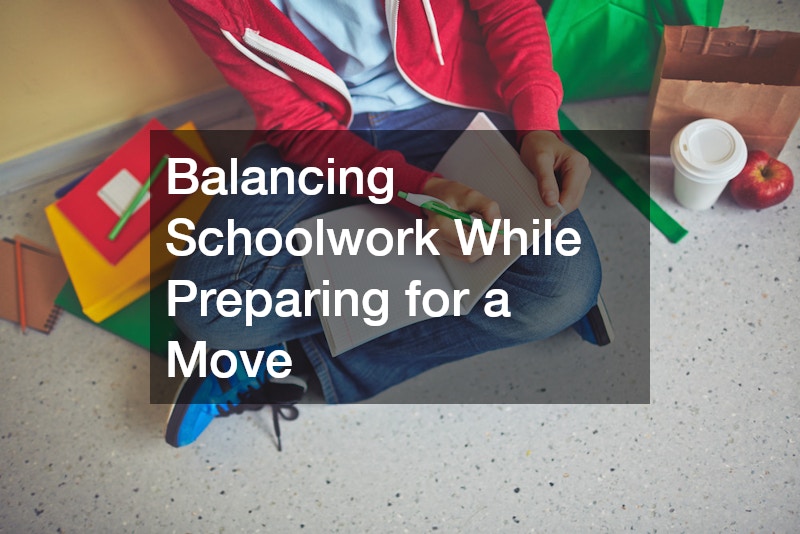
Moving to a new home is one of life’s biggest transitions, and when it happens during the school year, it can feel even more overwhelming. Students are often expected to maintain grades, complete homework, study for tests, and participate in extracurricular activities while also packing belongings, saying goodbye to friends, and adjusting to a major life change. Parents face their own challenges as they coordinate logistics, manage household responsibilities, and support their children emotionally throughout the process.
Although balancing schoolwork and a move may seem impossible at first, careful planning can make the experience much smoother. Creating routines, staying organized, communicating with teachers, and preparing well in advance all help reduce unnecessary stress. Rather than trying to accomplish everything at once, families can divide responsibilities into manageable steps that allow students to continue succeeding academically while preparing for their new home.

Start Planning as Early as Possible
One of the best ways to reduce stress is to begin planning as soon as you know a move is happening. Even if moving day is several weeks or months away, creating a timeline gives everyone a clear understanding of what needs to be completed before the transition.
Break large tasks into smaller weekly goals. Instead of packing an entire room in one weekend, assign one closet, bookshelf, or dresser each week. Likewise, school assignments become easier to manage when they’re divided into daily tasks instead of waiting until the last minute.
A shared family calendar can help everyone stay informed. Include important school deadlines, sports practices, moving appointments, packing days, and utility transfers so nothing gets overlooked.
When students know what to expect, they often feel more in control of the situation, making it easier to concentrate on homework and classroom responsibilities.
Keep School Routines as Consistent as Possible
During periods of change, routines create stability. While many aspects of daily life may be changing, maintaining familiar school habits helps students stay focused.
Try to keep consistent routines for:
- Morning preparation
- Homework time
- Dinner
- Bedtime
- Reading before bed
Predictable schedules reduce anxiety because students know what comes next, even when boxes begin filling the house.
If possible, avoid packing school supplies until the final days before moving. Keep backpacks, laptops, chargers, textbooks, and notebooks easily accessible so homework remains part of the normal daily routine.

Create a Dedicated Homework Space
Packing often creates clutter throughout the home, making it difficult for students to concentrate. Even if rooms are partially packed, designate one quiet area where homework always takes place.
The homework space should include:
- Good lighting
- Comfortable seating
- School supplies
- Charging stations
- Minimal distractions
When students have a reliable workspace, they’re less likely to lose assignments among moving boxes or become distracted by packing activities.
If the designated study area eventually gets packed, relocate to a dining table, library, or community study room until moving day.
Stay Ahead on School Assignments
The weeks leading up to a move are unpredictable. There may be home inspections, paperwork appointments, utility installations, or unexpected delays.
Completing assignments early whenever possible creates flexibility for these surprises.
Students should:
- Begin projects immediately.
- Study before tests instead of cramming.
- Complete homework the day it is assigned.
- Ask teachers about upcoming assignments.
Working ahead prevents academic responsibilities from piling up during the busiest days of the move.
Communicate With Teachers
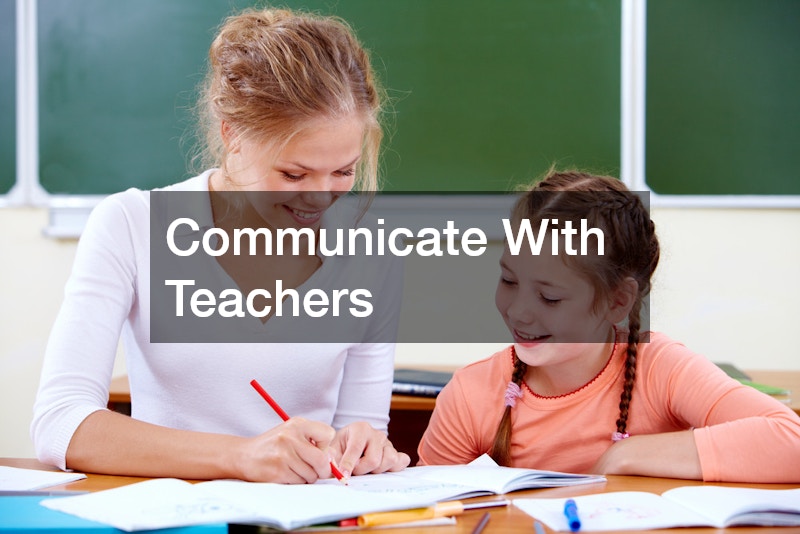
Teachers appreciate knowing when a family is preparing for a move. Open communication allows them to provide additional support if necessary.
Parents can explain:
- The moving timeline
- Any anticipated absences
- Possible internet interruptions
- Requests for assignments in advance
Many teachers are willing to provide digital materials, extended deadlines when appropriate, or guidance that helps students remain on track.
Students should also communicate directly with teachers if they have concerns about upcoming projects or exams.
Keep School Supplies Organized
As boxes multiply, small items often disappear. Losing calculators, notebooks, chargers, or textbooks can quickly create additional stress.
Designate one container or backpack specifically for school materials that will not be packed until moving day.
Include:
- Pens and pencils
- Laptop
- Chargers
- Textbooks
- Folders
- Planner
- Calculator
- Headphones
Everything needed for school should remain together so students don’t waste valuable homework time searching through boxes.
Avoid Overloading the Schedule
Many families continue extracurricular activities throughout a move, but it may help to temporarily reduce commitments if schedules become overwhelming.
Students involved in sports, music lessons, volunteer work, clubs, or tutoring should honestly evaluate their workload.
It may be beneficial to take a short break from one activity while preparing for the move, allowing more time for academics and family responsibilities.
This temporary adjustment often reduces stress without requiring students to give up activities they enjoy long-term.
Involve Younger Children in Age-Appropriate Ways
Families with younger children often face unique challenges because little ones require constant supervision while parents are packing.
Scheduling engaging activities for toddlers can help keep young children occupied while older siblings complete homework or adults organize the home.
Simple crafts, puzzles, coloring books, sensory bins, and educational games provide entertainment without requiring constant attention. Maintaining familiar play routines also helps younger children feel more secure during the transition.
Consider Educational Support During Busy Weeks
Some families rely on temporary educational resources while managing the demands of a move.
For younger children, quality child care centers can provide a structured environment where children continue learning and socializing while parents focus on moving responsibilities.
Even a few days of additional support may reduce stress and create more uninterrupted time for packing, paperwork, and coordinating the move.
Research Schools Before Arriving
Moving often means transitioning into a new school district or educational environment.
Families considering private elementary schools should begin researching programs well before moving day. Reviewing academic philosophies, extracurricular opportunities, transportation options, tuition, and enrollment requirements early allows parents to make informed decisions without rushing after the move.
Scheduling campus visits before relocating, when possible, also helps children become familiar with their future learning environment.
Explore Middle School Options Carefully
Older students often experience additional anxiety when changing schools because friendships, academics, and extracurricular opportunities become increasingly important.
Families evaluating local private middle schools should compare class sizes, curriculum, student support services, clubs, athletics, and elective offerings.
Encouraging students to participate in the school-selection process helps them feel involved in the transition rather than feeling decisions are simply made for them.
Give Children Healthy Breaks
Academic success depends on balance. Students cannot spend every free moment studying or packing.
Schedule regular breaks that encourage physical activity, creativity, and social interaction.
Many communities offer local art camps during school vacations or seasonal breaks. These programs allow children to express themselves creatively while meeting new friends and temporarily stepping away from moving-related stress.
Whether children enjoy painting, music, dance, or crafts, creative activities provide valuable emotional outlets during major life transitions.
Pack One Room at a Time
Trying to pack the entire house simultaneously often creates chaos.
Instead:
- Finish one room before beginning another.
- Label every box clearly.
- Keep school materials separate.
- Use color-coded labels if possible.
Packing methodically makes it easier to locate important items later while keeping daily routines functional until moving day.
Students can also help pack their own bedrooms, teaching organization and responsibility without becoming overwhelmed.
Label Everything Clearly
Good labeling saves countless hours after arriving at the new home.
Every box should include:
- Room destination
- General contents
- Fragile items
- Priority level
Boxes containing school materials should be labeled prominently so they’re unpacked first.
This becomes especially important if students return to school immediately after the move.
Maintain Healthy Habits
Stress often causes families to neglect healthy routines.
Continue prioritizing:
- Balanced meals
- Water intake
- Physical activity
- Adequate sleep
Students who are well-rested and properly nourished typically concentrate better during class and complete homework more efficiently.
Preparing simple freezer meals before moving week can also reduce the temptation to rely entirely on fast food.
Use Technology to Stay Organized
Digital tools simplify both schoolwork and moving preparation.
Helpful resources include:
- Calendar apps
- Homework trackers
- Shared family calendars
- Cloud storage
- Note-taking apps
Keeping important documents stored digitally prevents accidental loss during packing while allowing students to access assignments from virtually anywhere.
Don’t Wait Until the Last Minute to Pack
Procrastination creates unnecessary pressure.
Start with:
- Seasonal clothing
- Decorative items
- Extra linens
- Books already finished
- Holiday decorations
Leaving only everyday essentials unpacked minimizes disruption while preventing frantic packing sessions during the final days before moving.
Ask for Help When Needed
Many families try to manage everything independently, but accepting help often makes the process much easier.
Friends and relatives may assist with:
- Babysitting
- Packing
- Meals
- Transportation
- Pet care
Delegating certain responsibilities allows parents to spend more quality time supporting children academically and emotionally throughout the transition.
Stay Positive About the Change
Children often mirror their parents’ attitudes.
While acknowledging that moving can be difficult, parents should also highlight exciting opportunities, including:
- Meeting new friends
- Exploring a different neighborhood
- Decorating a new bedroom
- Joining new clubs
- Discovering nearby parks and attractions
Maintaining optimism helps students approach both school and the move with greater confidence.
Organize Moving Logistics Efficiently
One of the biggest sources of stress comes from managing transportation and scheduling.
Hiring experienced moving companies can significantly reduce the physical workload associated with relocating. Professional movers often handle packing assistance, transportation, and heavy lifting, allowing families to devote more attention to helping children stay academically focused.
Taking time to compare services, reviews, and availability well before moving day helps ensure everything runs smoothly.
Choose the Right Professionals
Not every relocation has identical needs.
Some families benefit from hiring the best local mover available for shorter relocations because experienced professionals often understand neighborhood logistics, traffic patterns, and local regulations that can streamline the process.
Researching credentials, insurance coverage, and customer reviews before making a decision can provide valuable peace of mind.
Select Services That Fit Your Family’s Needs
Every relocation is different, and many providers offer flexible options beyond transportation.
A comprehensive moving service may include packing assistance, furniture disassembly, temporary storage coordination, and unpacking support.
Choosing services that match your family’s schedule can reduce stress and leave more time for helping children adjust academically and emotionally.
Compare Providers Carefully
Finding the right moving company requires more than comparing prices.
Families should also evaluate:
- Licensing
- Insurance
- Experience
- Customer reviews
- Available services
- Scheduling flexibility
Selecting a reliable company minimizes unexpected complications and helps ensure moving day stays on schedule.
Know When Temporary Storage Makes Sense
Sometimes closing dates, renovations, or travel schedules don’t perfectly align.
In these situations, storage facilities provide a practical solution by keeping belongings secure until the new home is ready.
Using temporary storage can also reduce clutter during packing, making it easier for students to maintain organized study spaces during the final weeks before the move.
Prepare for the First Week After Moving
Once you’ve arrived, resist the urge to unpack everything immediately.
Instead, prioritize:
- Bedrooms
- Bathrooms
- Kitchen essentials
- School supplies
- Internet setup
Having these essentials ready allows students to return to normal routines much faster while the remainder of the home is unpacked gradually.
Parents should also verify transportation routes, school start times, and any orientation activities before the first day at a new school.
Help Children Build New Connections
Moving often means leaving behind close friendships.
Encourage children to become involved in:
- School clubs
- Sports
- Volunteer opportunities
- Community events
- Library programs
Building new relationships helps students adjust emotionally while creating a stronger sense of belonging in their new community.
Parents can also arrange video calls with old friends to maintain important connections during the transition.
Celebrate Small Milestones
Preparing for a move involves dozens of tasks, and recognizing progress keeps motivation high.
Celebrate accomplishments such as:
- Finishing a major school project
- Packing an entire room
- Completing moving paperwork
- Successfully finishing the first week at a new school
Small celebrations remind children that every completed task brings the family one step closer to settling into their new home.
Focus on Progress Instead of Perfection
No move goes exactly as planned. Boxes may get misplaced, schedules may change, and unexpected challenges will likely arise along the way.
Rather than striving for perfection, focus on making steady progress each day. Completing homework consistently, maintaining routines whenever possible, and tackling one moving task at a time creates a manageable balance between academic responsibilities and relocation.
With preparation, flexibility, and patience, families can successfully navigate both challenges at once. Moving marks the beginning of a new chapter, and although the transition may feel demanding, it also provides opportunities for growth, resilience, and exciting new experiences. By staying organized, communicating openly, and supporting one another throughout the process, students can continue thriving in school while confidently preparing for life in their new home.