
Education is one of the most important decisions a teen can make, shaping not only their academic journey but also their future career path. With so many options available today, it can feel overwhelming to determine which direction is the best fit. From traditional classroom experiences to vocational and technical training, students now have the opportunity to explore programs tailored to their unique interests and long-term goals. Understanding the available educational environments and career training options allows students to make informed choices that align with both personal passions and practical career opportunities.
For many teens, selecting the right educational path is about more than just grades; it’s about finding programs that provide the right balance of academics, hands-on experience, and skill development. Some students thrive in structured, traditional settings, while others may excel in more specialized, creative, or technical programs. Career training options such as driving classes, cosmetology courses, and welding classes can complement academic learning by equipping students with practical skills that are in high demand. Similarly, extracurricular programs like martial arts classes or beauty schools offer not only skill-building but also discipline, confidence, and professional exposure.
Making these decisions early can provide students with a competitive edge in the job market and ensure that they are prepared for life after graduation. By exploring all available options—from high school programs to private schools and specialized career training—students can create a roadmap that integrates personal growth with professional readiness. This article will explore the key avenues teens can pursue to build a strong foundation, develop practical skills, and position themselves for success in the modern workforce.
Building a Strong Academic Foundation

A strong academic foundation is essential for success, and high school is the cornerstone of that development. It is during these years that students build essential knowledge in core subjects such as mathematics, science, and language arts, while also developing critical thinking and problem-solving skills. High school is not only a place to learn foundational concepts but also an environment for discovering personal interests and exploring potential career pathways. Elective courses, honors programs, and advanced placement classes allow students to challenge themselves and prepare for college or vocational training.
Beyond academics, high school plays a key role in shaping social skills and fostering personal growth. Participation in clubs, sports, and volunteer opportunities helps students develop teamwork, leadership, and time management skills, which are crucial for future success. Guidance counselors and academic advisors also provide resources to help students navigate course selection and career planning, ensuring they are on track to meet their goals. By investing in a strong high school experience, students set themselves up for a smoother transition to postsecondary education, career training programs, or direct entry into the workforce.
Exploring Exclusive Learning Environments
Some students benefit from learning in private schools, where smaller class sizes and tailored instruction can create a more personalized educational experience. Private schools often provide access to specialized programs, extracurricular opportunities, and advanced facilities that may not be available in public settings. The intimate learning environment allows educators to focus more closely on individual students’ needs, enabling personalized academic support and guidance.
Private schools also tend to offer a diverse array of programs beyond standard curricula. From advanced arts and sciences to leadership and service-oriented programs, students can pursue areas that align closely with their interests. Many private schools also emphasize character development, discipline, and community involvement, which can help students cultivate strong interpersonal skills. Choosing a private school can therefore be an excellent option for teens seeking a highly customized education that aligns with their personal learning style and future career aspirations.
Identifying Top-Rated Educational Programs
Finding the best school is often a top priority for students and parents alike. Top-rated schools typically combine academic rigor, extracurricular opportunities, and strong college or career preparation programs. When evaluating the best school options, factors to consider include faculty expertise, student-to-teacher ratios, available resources, and overall student outcomes. High-quality institutions often provide specialized courses and support programs designed to challenge students and foster growth in both academic and personal arenas.
In addition to traditional metrics like test scores and graduation rates, the best school for a student is one that aligns with their goals and learning preferences. Whether a student is interested in science, the arts, business, or vocational skills, a school that provides a supportive environment and robust program offerings can make all the difference. Researching schools thoroughly, visiting campuses, and talking to current students or alumni can provide insight into whether a school will meet a teen’s academic and personal development needs.
Learning Behind the Wheel Safely

Learning to drive is an important milestone for teens, and a structured driving class can provide the knowledge and confidence needed to operate a vehicle safely. Driving classes cover essential topics such as traffic laws, defensive driving techniques, and vehicle handling skills. These classes often combine classroom instruction with practical, on-road training, allowing students to apply what they have learned in real-world scenarios.
Completing a driving class not only prepares students for their driver’s license test but also instills safe driving habits that can last a lifetime. In addition, many programs offer insight into vehicle maintenance, emergency response, and risk management, providing a well-rounded approach to teen driver education. By investing time in a driving class, students gain both independence and responsibility, which are valuable skills for personal development and future employment opportunities that may require transportation.
Hands-On Training in Creative Fields
For teens interested in creative careers, local cosmetology classes provide an excellent opportunity to gain practical skills while exploring potential professions. These classes cover topics such as hair styling, skincare, makeup application, and nail care, offering hands-on experience under the guidance of trained instructors. Local cosmetology classes often partner with community businesses or salons, providing students with real-world exposure to industry standards and practices.
Participation in these programs allows students to build a portfolio of work and gain confidence in their abilities, which can be critical for pursuing a professional career in beauty or personal care. Beyond technical skills, students also learn important aspects of customer service, professionalism, and time management. Local cosmetology classes can serve as a stepping stone to formal training at beauty schools or barber schools, as well as open doors to freelance opportunities and entrepreneurial ventures in the beauty industry.
Developing Discipline and Physical Skills
Martial arts classes are an excellent way for teens to build discipline, focus, and physical fitness. These programs teach not only combat techniques but also principles of respect, perseverance, and self-control. Martial arts classes often incorporate goal-setting through belt systems or rank advancement, providing tangible milestones that encourage commitment and consistent effort.
Participation in martial arts can benefit students academically, socially, and emotionally. The structured environment helps teens develop concentration and stress management skills, while the physical activity supports overall health and well-being. Additionally, martial arts classes foster confidence and leadership, equipping students with tools to navigate both personal challenges and future career opportunities. Whether a teen is interested in self-defense, competition, or personal growth, martial arts classes offer a comprehensive approach to skill development.
Mastering the Rules of the Road

Drivers education is a critical component of teen development, providing formal instruction on the responsibilities and risks of driving. These programs combine theoretical lessons on traffic laws, signage, and road safety with hands-on driving practice under professional supervision. Drivers education courses often include defensive driving techniques, accident prevention strategies, and instruction on the effects of distractions or impaired driving.
Completing drivers education prepares teens to become safe, responsible drivers and is often a requirement for obtaining a driver’s license. In addition to developing practical skills, the program promotes decision-making, situational awareness, and personal accountability. Teens who participate in drivers education gain confidence behind the wheel and develop habits that can reduce accidents and ensure long-term driving safety.
Gaining Practical Industrial Skills
For teens interested in technical trades, welding classes provide an opportunity to acquire highly marketable skills. These courses are also a stepping stone for students who wish to advance their career prospects in trade-based professions. Welding classes cover essential techniques such as arc welding, MIG, and TIG welding, as well as safety protocols and blueprint reading. By mastering these skills, students can significantly enhance their employability in competitive job markets. Hands-on instruction ensures students can apply what they learn in real-world scenarios, preparing them for careers in manufacturing, construction, and other industrial sectors. Additionally, the practical experience gained through these classes builds confidence and expertise, equipping students to tackle complex tasks in their future work environments.
Welding classes also develop problem-solving, precision, and attention-to-detail skills, which are valuable in many professional settings. These programs may be offered at technical schools, community colleges, or through vocational training centers, giving teens a flexible range of options to suit their schedules and interests. By completing welding classes, students can gain certifications and practical experience that enhance their employability and open doors to apprenticeships or full-time careers.
Preparing for Careers in Grooming Services
Barber school provides specialized training for teens interested in hair cutting, styling, and grooming careers. Programs cover practical techniques, hygiene standards, customer service, and business management, preparing students for professional certification and employment in salons or barbershops. Barber school also emphasizes creativity, precision, and attention to detail, helping students develop a competitive edge in the beauty and grooming industry.
Attending barber school allows teens to explore a rewarding career path that combines artistry with practical skills. Students gain confidence interacting with clients, understanding professional etiquette, and managing real-world business operations. Whether the goal is employment in a traditional barbershop or opening a personal business, barber school equips students with the technical knowledge and industry insight required to succeed.
Launching a Career in Personal Care
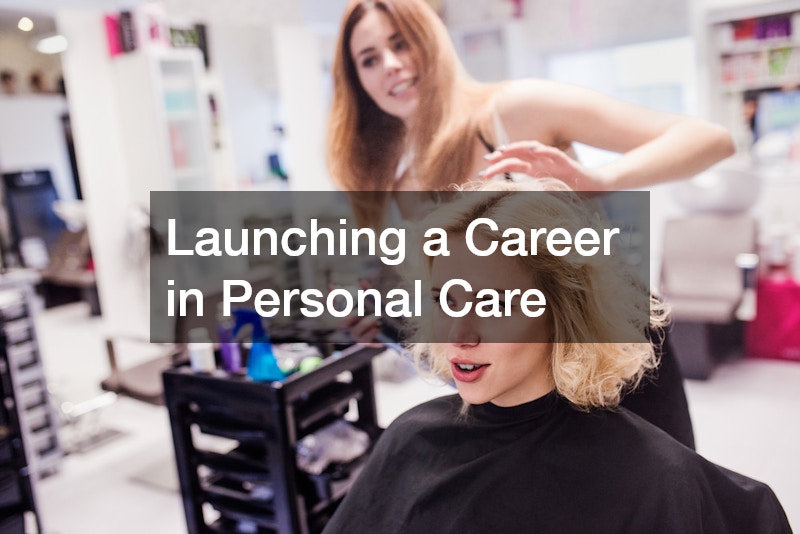
Beauty schools offer comprehensive training in fields such as cosmetology, skincare, nail artistry, and esthetics. The curriculum is designed to meet industry standards, ensuring students gain the foundational skills needed for a successful career. These programs prepare teens for professional licensure and provide hands-on experience through clinical practice and internships. By participating in real-world scenarios, students can better grasp the day-to-day responsibilities they will eventually face in their careers. Beauty schools also emphasize creativity, customer interaction, and business acumen, giving students a well-rounded understanding of the personal care industry. This holistic approach ensures that graduates are not only technically proficient but also skilled in managing and growing their potential businesses.
Attending a beauty school can open multiple career paths, from salon work to spa management or freelance opportunities. Students learn current industry trends, safe practices, and client service skills that are essential for professional success. By combining education with practical training, beauty schools ensure that teens are ready to enter the workforce with confidence, professionalism, and a strong portfolio of work.
Choosing the best school and career training options requires careful consideration of both academic and vocational opportunities. High school provides the foundational knowledge and personal growth necessary for success, while private schools offer a tailored educational environment for students seeking specialized programs. Identifying the best school involves evaluating academic rigor, resources, and alignment with personal goals, ensuring that students are challenged and supported throughout their education.
Career training options such as driving classes and drivers education equip teens with practical skills that promote independence, responsibility, and safety. Local cosmetology classes, beauty schools, and barber schools offer hands-on training in creative and service-oriented fields, helping students develop professional expertise and confidence. Martial arts classes foster discipline, focus, and physical well-being, while welding classes provide technical skills that are highly valued in industrial sectors.
By exploring a variety of educational pathways, teens can align their interests with practical career preparation, gaining both the knowledge and skills necessary for future success. Investing time in these programs enables students to make informed choices, build a strong foundation, and pursue opportunities that match their passions. Whether a teen is interested in traditional academics, creative fields, technical trades, or personal care, understanding the full spectrum of available options ensures a well-rounded and purposeful journey. By taking advantage of high-quality educational and career training programs, teens are empowered to step confidently into adulthood, equipped with the tools to achieve their personal and professional goals.